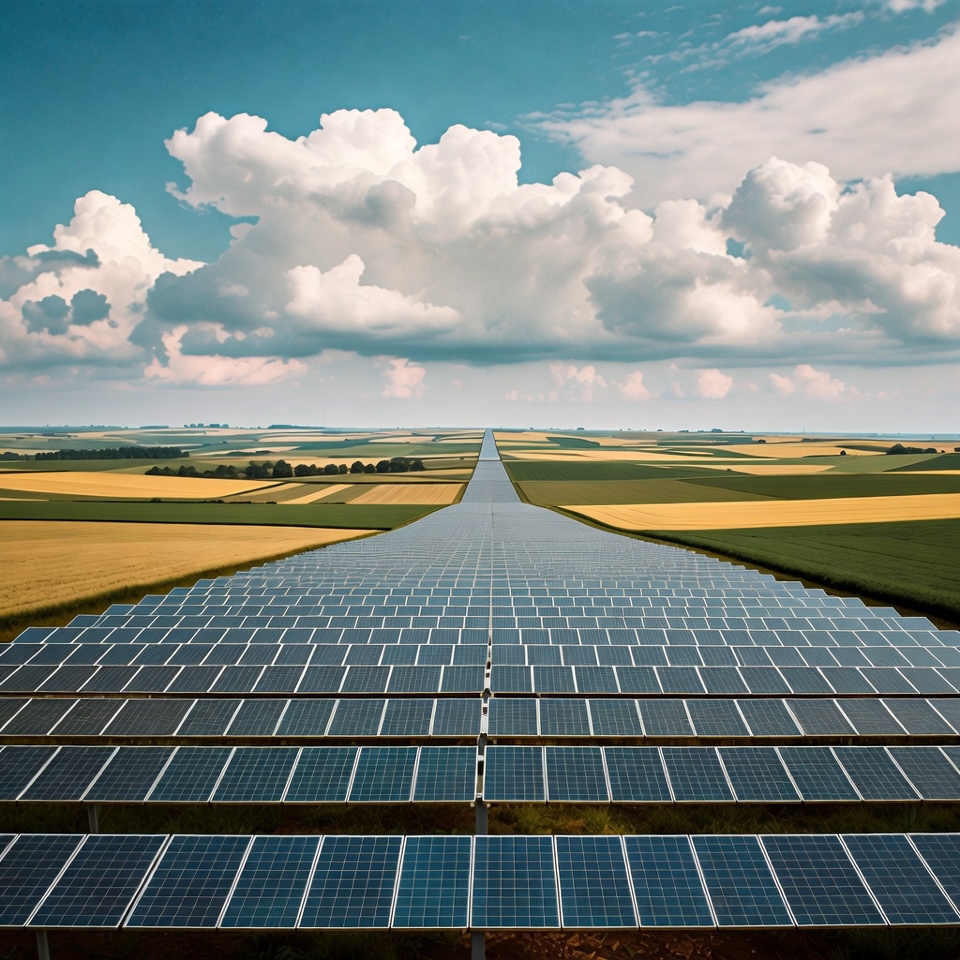
While other states fight over who pays the bill for AI’s energy appetite, Iowa has built something most of the country doesn’t have: a model that works.
The Numbers Are Hard to Ignore
Iowa is home to roughly 115 data centers, with the Des Moines metro hosting about 76 of them and Cedar Rapids emerging fast as a second major hub. Apple, Microsoft, Meta, and Google alone have committed $15 to $17 billion in Iowa investment. Data processing and hosting has become the second-fastest-growing industry in the state by wages. According to a 2026 economic impact study by Technology Association of Iowa, current data center operations support more than 9,100 jobs statewide, generate $828 million in labor income, and drive $3 billion in total annual economic output.
Those numbers will grow substantially. Google recently committed an additional $7 billion in Iowa cloud and AI infrastructure investment over the next two years. QTS, the Blackstone-owned colocation giant, has launched what officials describe as the largest economic development project in Iowa history — a $10 billion, 612-acre campus in southwest Cedar Rapids that had more than 8,500 construction workers on site at peak. The scale of what is being built in Iowa right now is difficult to overstate.
The question worth asking is: why Iowa? And the answer — once you look at it clearly — explains why Iowa is positioned to keep winning even as other states stumble.
The Energy Advantage That Started It All
Iowa generates roughly 60 to 63 percent of its electricity from wind — one of the highest wind penetration rates of any state in the nation. That is not an accident. Iowa built that grid over decades, and the result is some of the cheapest, cleanest electricity in the country. MidAmerican Energy’s residential customers pay around 10.75 cents per kilowatt-hour — well below the national average — and Iowa was among the handful of states that saw residential electricity rates actually decrease between May 2024 and May 2025, even as data center load on the grid grew significantly.
Cheap renewable electricity is what drew the hyperscalers to Iowa in the first place. Apple’s Waukee campus runs on 100 percent renewable energy. Meta matches its entire Altoona campus electricity use with renewables through partnerships that have funded new Iowa wind projects. Microsoft has made similar commitments across its West Des Moines campuses. Google’s Iowa operations are similarly matched. The tech companies are not just consuming Iowa’s clean grid — they are actively funding the expansion of it through long-term Power Purchase Agreements that make new wind and solar projects financially viable.
Cedar Rapids: The Buildout Nobody Is Talking About
While Des Moines gets most of the attention, the most dramatic data center construction happening in Iowa right now is in Cedar Rapids. At the Big Cedar Industrial Center on the southwest edge of the city — just north of Fairfax — Google and QTS are building side by side on a combined footprint that represents one of the most significant technology infrastructure investments anywhere in the United States.
QTS’s campus alone covers 612 acres and will include seven data center buildings. Google is constructing at least four large buildings on the adjacent site, with phases targeting completion in 2026. The construction workforce peaked at an estimated 8,500 workers on site daily — a number that rivals major highway or bridge projects and represents an enormous injection into the Cedar Rapids regional economy. Cedar Rapids Mayor Tiffany O’Donnell, who has been an active defender of both projects against a wave of social media misinformation, cited the city’s careful due diligence in her May 2026 State of the City address. The city’s own analysis found that the projects will not exceed water or power treatment capacity and that no rate impacts are forecast for residents.
The Nuclear Wildcard: Duane Arnold
The most consequential — and most underreported — piece of Iowa’s AI energy story is happening near Palo, about 20 miles northwest of Cedar Rapids. The Duane Arnold Energy Center, Iowa’s only nuclear power plant, was shut down in 2020 following storm damage. It is being brought back to life, and Google is the reason why.
In October 2025, NextEra Energy and Google signed a 25-year Power Purchase Agreement under which Google will purchase the plant’s full 615-megawatt output to power its Iowa data center operations. The deal makes Duane Arnold’s restart economically viable. Target: first quarter of 2029. The Nuclear Regulatory Commission is actively inspecting the facility — two inspection reports have already been published, two more are expected in 2026 — and NRC approval of the restart license could come as early as January 2028.
The economic impact is substantial on its own terms: more than 800 construction jobs, 400 permanent operations positions, and an estimated $340 million in annual economic output for the region. But the strategic significance goes beyond the numbers. Nuclear power provides something wind cannot: reliable, carbon-free baseload generation that runs around the clock regardless of weather. For AI data centers that cannot tolerate interruptions, the combination of Iowa’s wind-dominated grid and a restarted nuclear plant producing steady baseload power is a genuinely compelling infrastructure story — one that positions Iowa at the frontier of the AI-clean energy conversation nationally.
Google is also exploring building a data center on land directly south of the Duane Arnold site, which would make it one of the few data center campuses in the world co-located with its own dedicated nuclear power source.
Why Iowa Isn’t Virginia
To understand what Iowa has gotten right, it helps to look at what is going wrong elsewhere. In Virginia — the data center capital of the world — rapid, largely unregulated growth has led to massive grid upgrade costs being spread across all ratepayers. The PJM grid region, which covers the mid-Atlantic and parts of the Midwest, is facing an estimated $100 billion in transmission investment driven substantially by data center demand, with much of that cost falling on ordinary customers. Illinois and Georgia have seen similar dynamics. The data centers get built; the residents get the bill.
Iowa’s regulatory structure prevents that. MidAmerican Energy requires data centers to fund the full cost of substations, transmission line upgrades, and other infrastructure needed to serve them — upfront, through long-term contracts. Iowa legislation (Senate Bill 2324) established a special rate class for large energy users above 20 megawatts, further separating data center costs from residential and farm customers. The result: Iowa has absorbed enormous new load growth without passing infrastructure costs to families and farmers.
A Risk Worth Naming
Iowa’s energy advantage is real, but it is not guaranteed. The federal “One Big Beautiful Bill Act,” signed in 2025, accelerated the phaseout of wind energy production tax credits, requiring projects to begin construction by July 4, 2026, or be in service by year-end 2027. Analysts at Energy Innovation project that the loss of those incentives could push Iowa electricity rates up 14 to 26 percent over time — a significant increase that would erode the cost advantage that made Iowa attractive to data center investment in the first place.
Iowa’s congressional delegation and state policymakers are aware of the risk. The wind industry is racing to get projects permitted and under construction before the deadline. Whether enough capacity makes it through the window to protect Iowa’s grid economics is an open question — and arguably the most important energy policy question facing the state right now.
Iowa Built Something Worth Protecting
The story of Iowa and AI infrastructure is not a story of a state being exploited by tech giants. It is a story of a state that built a clean energy grid over decades, attracted investment on the strength of that grid, designed regulatory rules that protected its own residents, and is now watching billions of dollars flow into communities from Cedar Rapids to Waukee to Altoona — while residential electricity rates hold steady or fall.
That did not happen by accident. It happened because Iowa made smart decisions about energy policy before the AI boom arrived. The task now is to protect those decisions — and to make sure the federal policy environment does not undo what Iowa spent thirty years building.
Iowa’s AI Future covers artificial intelligence’s impact on Iowa business, agriculture, and education. Subscribe at IowasAIFuture.com.
Sources:
- Iowa defies AI boom trend with cheaper electricity — Axios Des Moines
- Google signs deal to restart Duane Arnold — Data Center Dynamics
- QTS Cedar Rapids campus announcement
- Clean Energy Brought Data Centers to Iowa. The Big Beautiful Bill Could Change That — Inside Climate News
- State data center legislation 2026 — MultiState
- TAI economic impact study on Iowa data centers